



Montreal, QC Hair Transplant

Introduction to Hair Transplant Surgery

Timeless Confidence Starts at the Hairline

Hair loss rarely announces itself. It tends to arrive gradually — a shift in how the hairline sits, a part that seems wider than it once was, a thinning at the crown that grows harder to dismiss. For a long time, these changes can be managed, styled around, or addressed with non-surgical treatments. But there comes a point for many patients when those measures no longer offer enough — and when permanence, rather than maintenance, becomes the goal.

Hair transplantation represents a considered, long-term answer to that moment. At her Montreal practice, Dr. Emily Deane performs hair transplant surgery with surgical precision and artistic sensibility that is rooted in her deep understanding of facial anatomy, hairline architecture, and the principles of natural proportion. The result is not simply restored density; it is a hairline that reads as entirely one’s own.


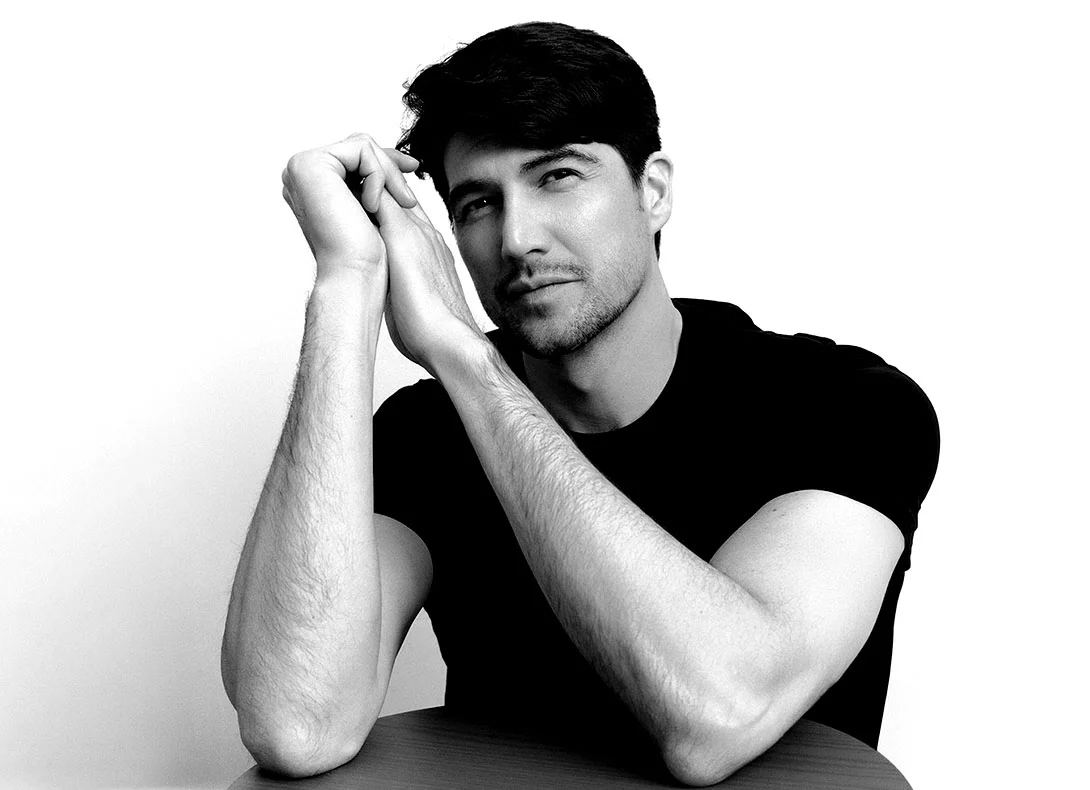
Man in black shirt and cap posing against white background showing natural hairline - Hair transplant in Montreal, QC

What Is a Hair Transplant?

A hair transplant is a surgical procedure in which healthy, genetically stable hair follicles are relocated from areas of permanent growth — typically the back and sides of the scalp — to regions affected by thinning or loss. Because these follicles carry an inherent resistance to the hormonal processes that drive hair loss, they continue to grow in their new location for life once successfully established.

The precision with which follicles are harvested, prepared, and placed is what separates a natural result from an obvious one. Each follicular unit is implanted with deliberate attention to angle, direction, and density — replicating the way hair grows organically so that the final result is seamless, both in appearance and in texture. Transplanted hair can be cut, styled, and treated like any other.

Ideal Candidates for a Hair Transplant

The most suitable candidates for hair transplantation are those with a stable hair loss pattern and a sufficient reserve of healthy donor follicles at the back or sides of the scalp. The procedure is appropriate for both men and women experiencing androgenetic alopecia, a receding hairline, crown thinning, or localized loss resulting from prior trauma or surgery.

Good general health and realistic expectations are foundational requirements. It is important to understand that hair transplantation restores hair to areas that have already been treated — it does not prevent loss from progressing in untreated regions. Long-term planning is therefore as integral to the outcome as the surgery itself. During your consultation, Dr. Deane evaluates scalp health, donor density, hair characteristics, and the likely progression of hair loss to determine whether transplantation is appropriate and how to approach it to achieve lasting, proportionate results.

Benefits of a Hair Transplant

For patients who have reached the limits of non-surgical treatment, hair transplantation offers a distinct and compelling set of advantages:

  • Permanent restoration using the patient’s own living follicles
  • Natural hairline reconstruction that complements facial structure and proportion
  • Improved density in areas of thinning or recession
  • Results that integrate invisibly with existing hair
  • A single procedure with lifelong effect, requiring no ongoing maintenance
  • The freedom to style, cut, and treat transplanted hair without restriction
  • Renewed confidence in professional, social, and personal settings
Doctor Emily Deane looking over a patients face in a mirror. The patient wears a white tank top and looks in the mirror on the wood desk. - in Montreal, QC

The First Step

A thorough, private consultation with Dr. Deane at her Montreal practice is the essential first step. This appointment encompasses a detailed scalp and hair analysis, a review of medical history, an assessment of donor site availability, and an honest discussion of what can realistically be achieved based on your individual anatomy and the current and anticipated extent of hair loss.

This consultation functions equally as a planning session. Dr. Deane outlines the surgical approach she recommends, the expected arc of recovery and regrowth, and the long-term strategies that will best protect both transplanted and existing hair. Patients leave with a clear understanding of the process, the outcome, and what to expect at each stage of the journey.

What to Expect on the Day of Surgery

Hair transplant surgery is performed as an outpatient procedure within Dr. Deane’s accredited Montreal facility. The scalp is prepared, and local anesthesia is administered at the outset, ensuring complete comfort throughout. Most patients remain awake during the procedure, often reading or resting while the work is underway.

Following a carefully pre-designed hairline and density plan, follicles are harvested from the donor area with precision and then methodically implanted across the recipient sites — each graft placed according to the natural angle, direction, and grouping of the surrounding hair. Depending on the scope of the procedure, surgery may take several hours. Patients are discharged the same day with detailed aftercare instructions and a clear follow-up schedule.

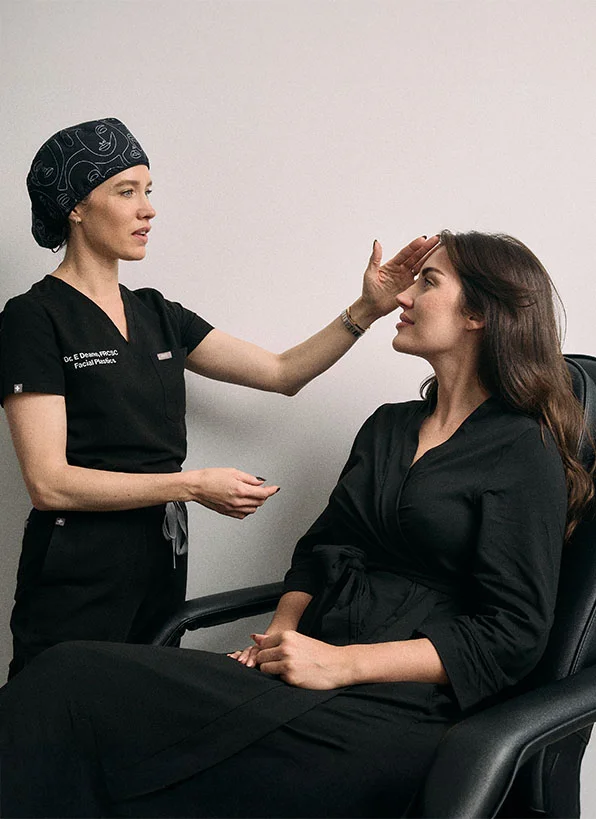
Doctor Emily Deane consulting with female patient about dermal filler treatment in clinical setting - in Montreal, QC
Light beige textured background with subtle mottled pattern and soft neutral tones

Hair Transplant Recovery

Your Guide to Post-Hair Transplant Care

Recovery from hair transplantation is gradual and, for most patients, manageable within the rhythm of everyday life. Mild swelling, redness, and scabbing at both the donor and recipient sites are expected in the first several days and typically resolve within one to two weeks. Most patients are comfortable resuming light daily activities within a few days of surgery.

One of the most important things patients should be prepared for is the temporary shedding of transplanted hairs in the weeks following the procedure. This is a normal and expected phase of the follicular cycle — the grafts are not lost; they simply reset before new growth begins. Dr. Deane takes care to explain this process clearly during consultation, so it does not come as a surprise.

New hair growth typically begins to emerge around three to four months post-surgery, initially fine and gradual, thickening and maturing over the months that follow. The majority of patients see meaningful, visible improvement between six and nine months, with final results continuing to develop for up to twelve months or longer. Dr. Deane provides detailed postoperative guidance throughout this period and remains closely available through scheduled follow-up appointments to monitor progress.

How Much Does a Hair Transplant Cost in Montreal?

The extent of hair loss determines the cost of hair transplant surgery in Montreal, the number of follicular units required, and the complexity of the hairline plan developed during consultation. Because each procedure is built around the individual patient’s anatomy and goals, pricing is provided on a personalized basis following your assessment. A transparent, itemized quote is provided at that time, along with available financing options.

Doctor Emily Deane MD in cream blouse at wooden desk with bookshelves in professional office setting - in Montreal, QC

Why Choose Dr. Deane?

Successful hair transplantation depends on far more than technical execution — it requires an intimate understanding of facial anatomy, a refined sense of aesthetic proportion, and the surgical experience to translate a plan into a result that looks entirely natural. These are the qualities that define Dr. Emily Deane’s approach to hair restoration.

Her foundation includes her medical degree from McGill University, a five-year residency in Otolaryngology–Head and Neck Surgery at the University of British Columbia — where she received the distinguished Garth Warnock Award — and a highly selective fellowship in Facial Plastic and Reconstructive Surgery at the University of Pennsylvania. This training has equipped her with anatomical fluency in scalp physiology and hair follicle behavior, informing every aspect of her approach to hair transplantation, from hairline design to donor site management.

Dr. Deane holds certification from the Royal College of Physicians and Surgeons of Canada (FRCPSC) and maintains active membership with:

  • Dr. Deane has both incredible skills and a warm, caring approach that immediately puts you at ease. Her attention to detail is second to none, and the results of her work are natural and beautiful. Beyond her technical expertise, she’s also a wonderful person who takes the time to listen and make you feel completely comfortable. I feel very fortunate to have been in her care and would highly recommend her to anyone.

    – Emmanuelle (Google Review)

  • Dr. Deane is the sweetest Dr. ever! I had a septorhinoplasty and chin implant. I cried with joy the first week being able to breathe for the first time since forever. I really hope she knows how much she changed my life.

    – Petitedulte (Google Review)

  • Dr.Deane is so patient, kind, and gentle. I was so nervous about getting the treatment I received, but she took her time and talked me through it. Not only did she remain super professional, but she also did not rush me or discredit my feelings during the procedure. Her bedside manner is impeccable. 10/10 would recommend!!

    – Francesca (Google Review)

  • From the first appointment to the last, Dr. Deane was empathetic and attentive. This surgeon is very talented. I highly recommend her!

    – Emmy (Google Review)

Hair Transplant FAQ’S

Schedule

Consultation