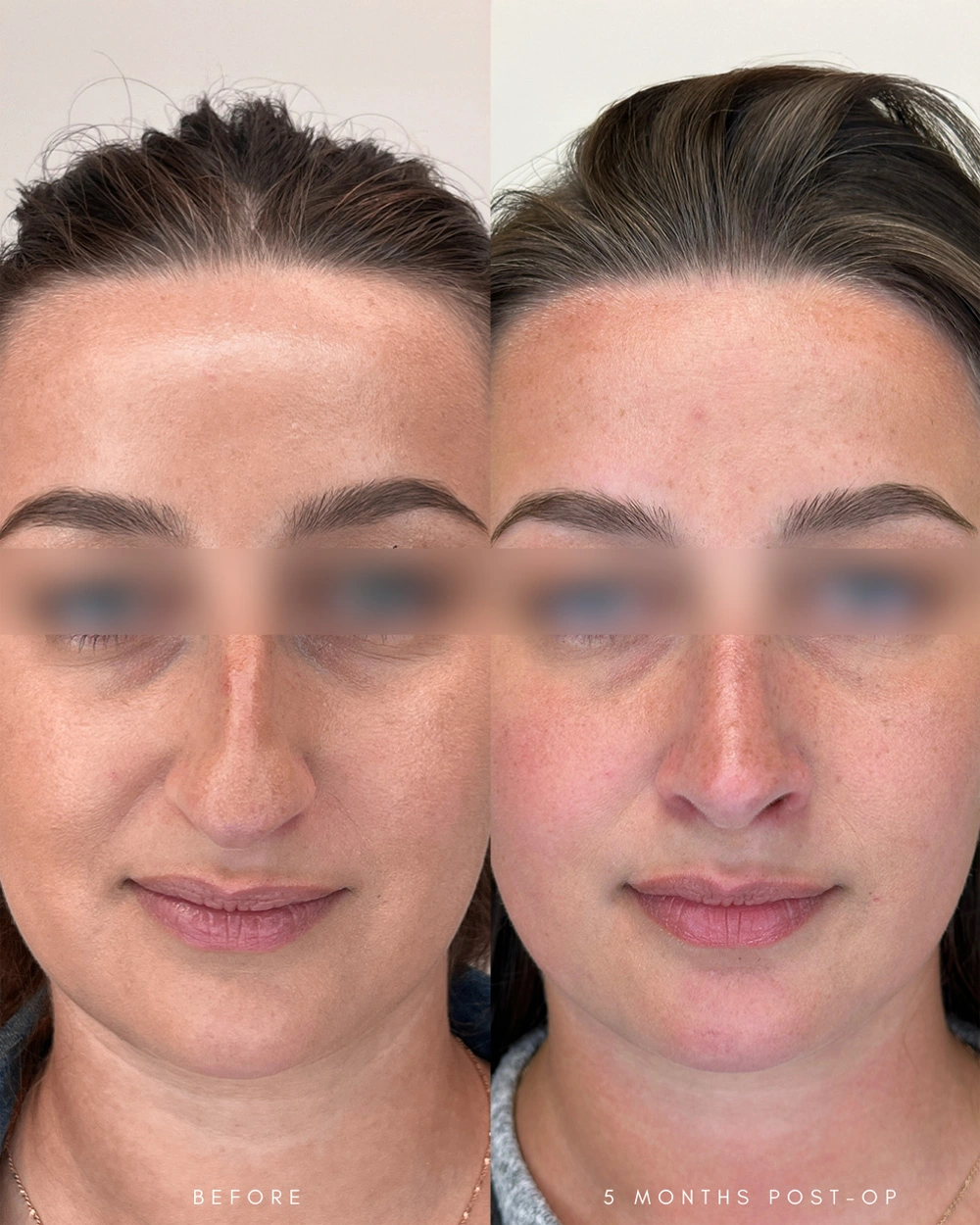
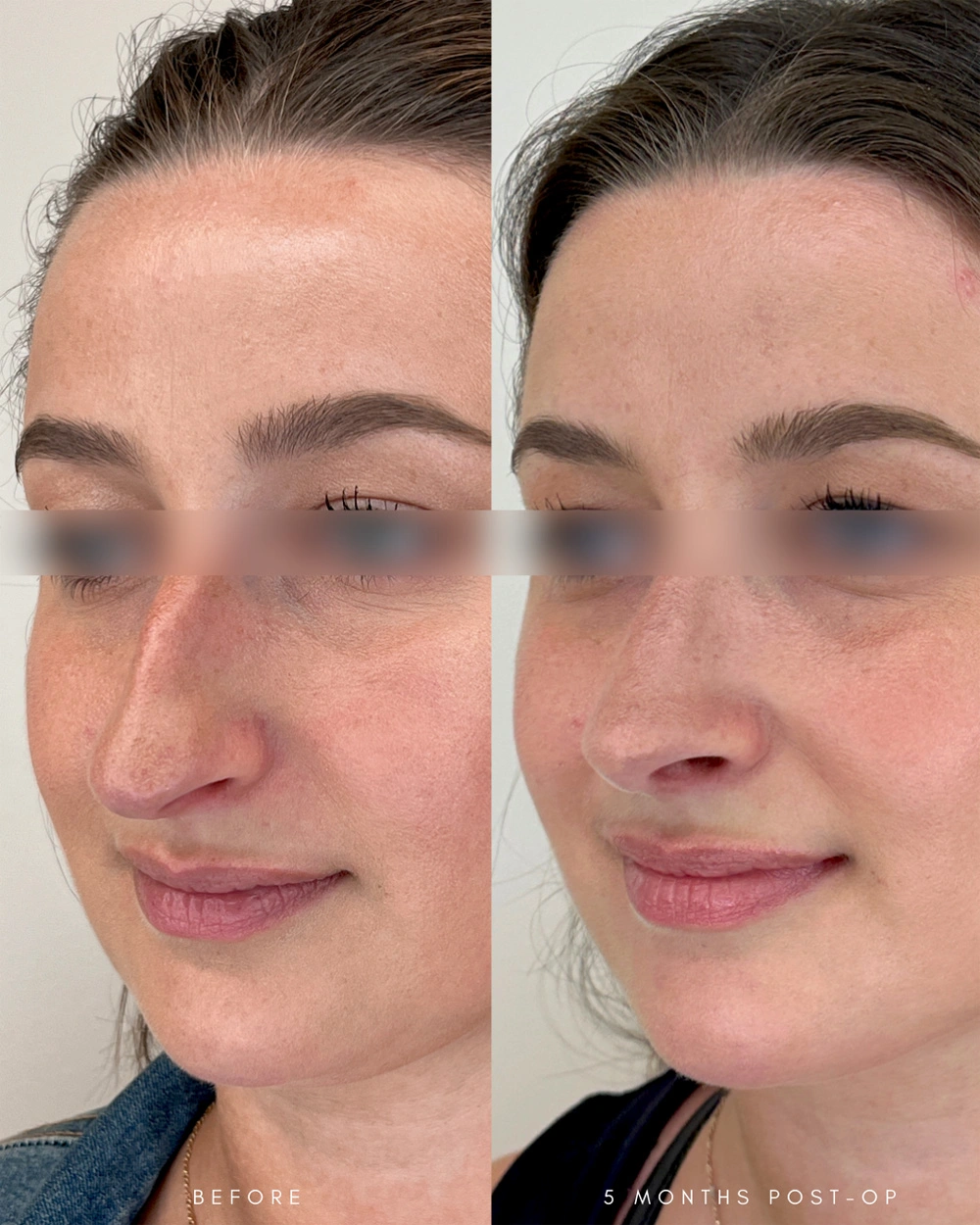
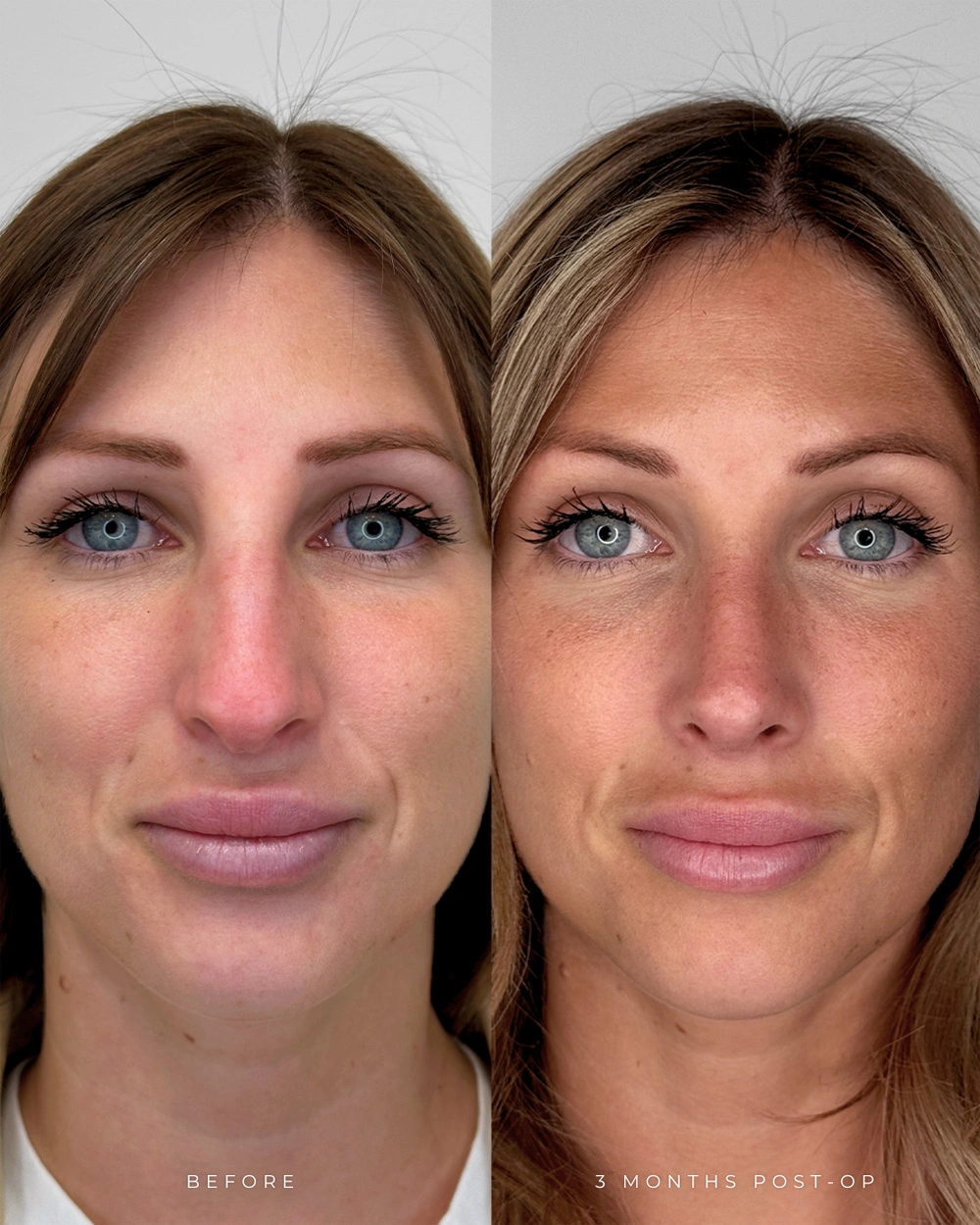
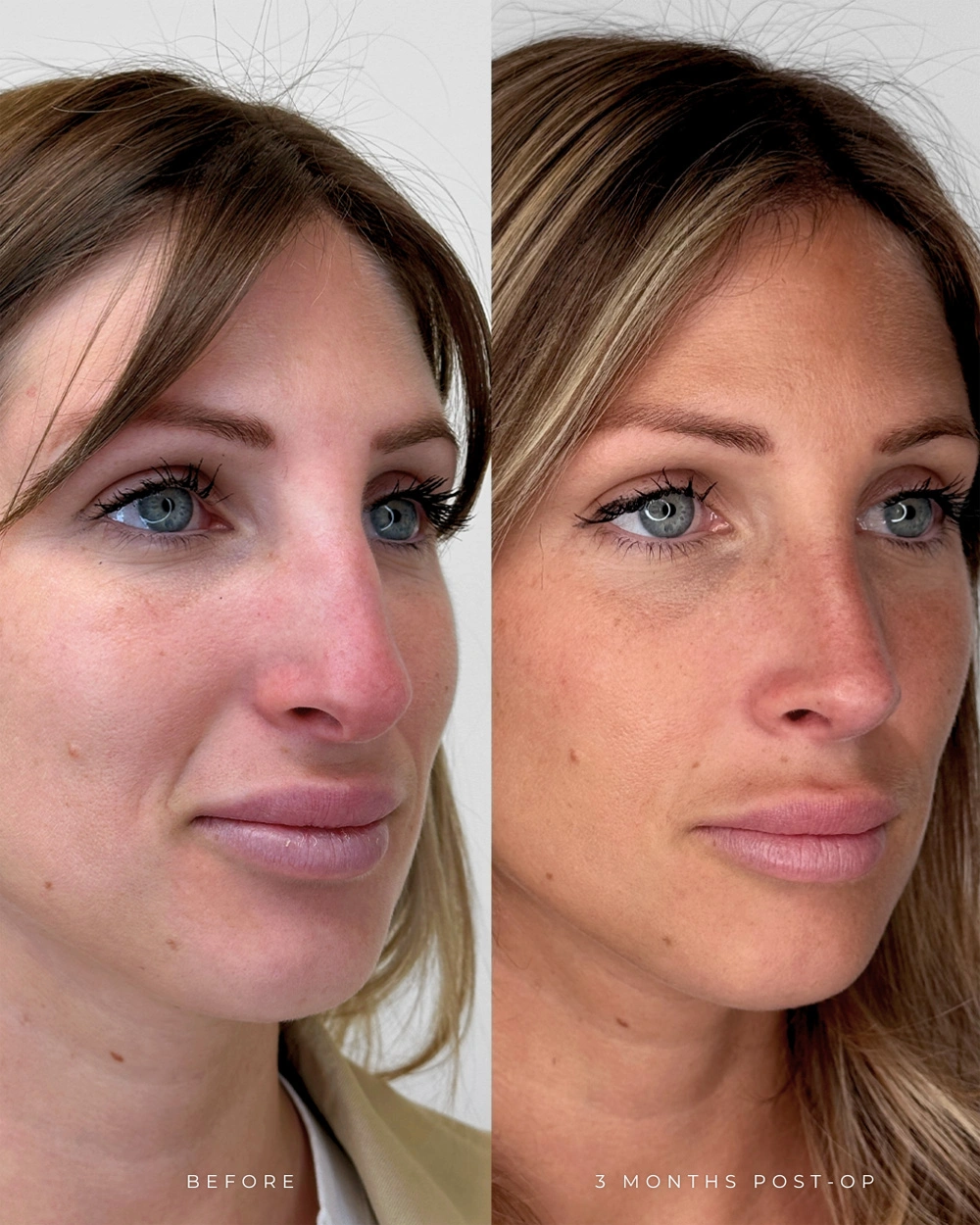
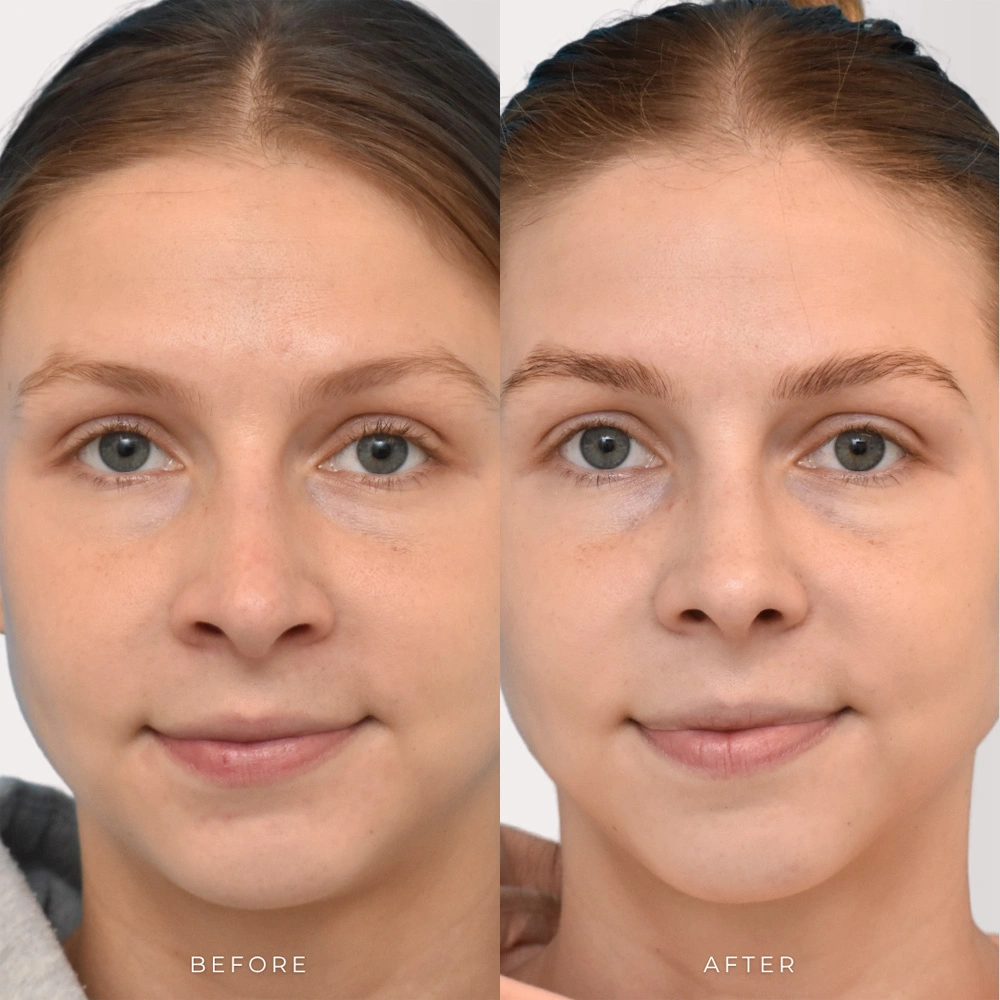
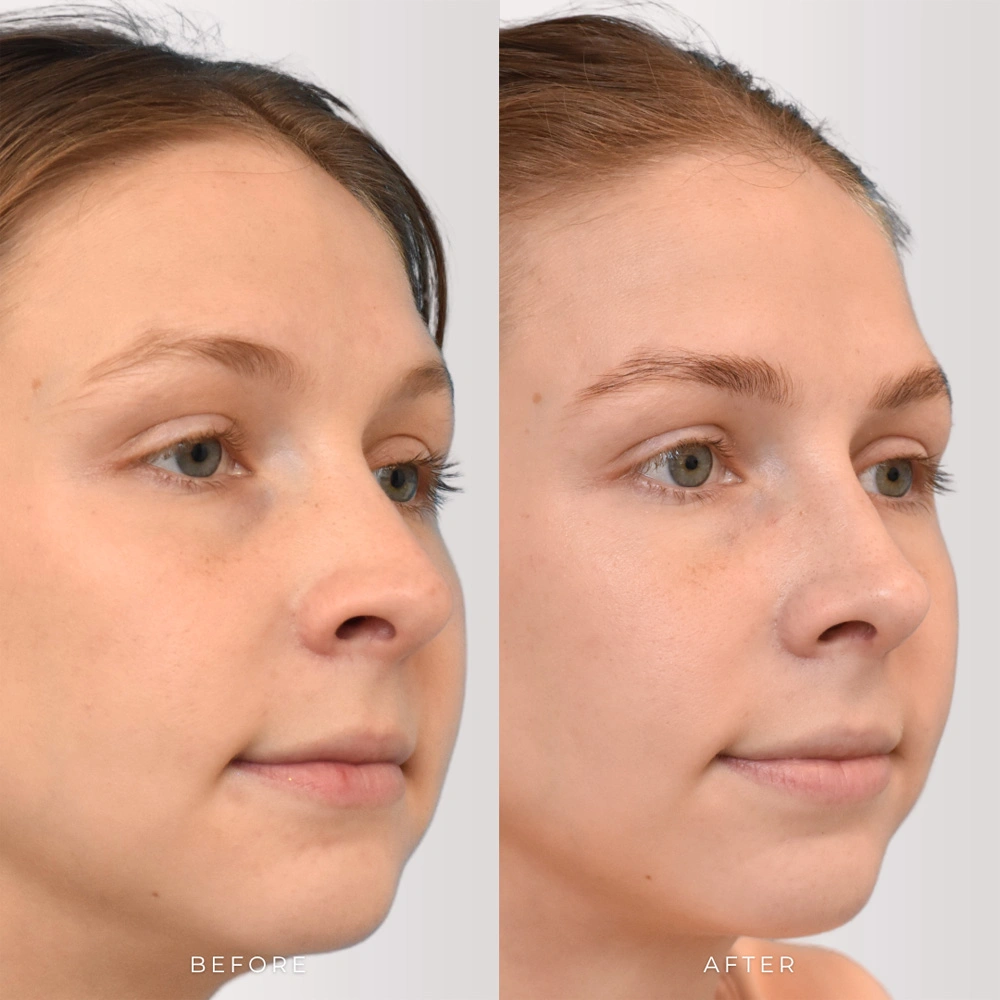
Ultrasonic rhinoplasty employs advanced piezoelectric technology to reshape the nasal bones with exceptional precision and control. Unlike traditional methods, ultrasonic instruments selectively sculpt bone while preserving surrounding soft tissue, cartilage, and blood vessels. This technique allows for refined contouring of the nasal bridge, reduction of dorsal humps, and correction of asymmetries with minimal trauma to delicate structures. The result is often reduced bruising, swelling, and postoperative discomfort, along with a more predictable healing course and enhanced precision in achieving the desired aesthetic outcome.
Endonasal rhinoplasty, also known as closed rhinoplasty, is performed through incisions placed entirely within the nasal passages — leaving no visible external scarring. This approach is well-suited for patients requiring minimal to moderate refinement of the nasal tip, bridge, or internal structures without the need for extensive structural reconstruction. Because soft tissue elevation is minimized, endonasal rhinoplasty typically results in less swelling and a shorter recovery period. Dr. Deane selects this technique when the patient’s anatomy and aesthetic goals can be achieved with the same level of precision and control as open approaches, while offering the added benefit of complete scar concealment.
Ethnic rhinoplasty refines the nose while respecting and preserving a patient’s cultural and ethnic identity. Rather than altering defining features, this approach prioritizes balance, proportion, and structural support — enhancing the nose in a manner that feels natural and authentic to the individual. Common objectives may include subtle bridge refinement, improved tip definition, or nostril reshaping without erasing characteristic traits.
Rhinoplasty in adolescent patients may be considered once nasal development is complete, and concerns are causing functional impairment or significant emotional distress. Careful assessment of physical maturity, emotional readiness, and personal motivation is essential before proceeding.
Rhinoplasty for male patients requires a distinct approach — one that preserves strength, structure, and masculine facial characteristics. Many male patients seek improvement in nasal proportion, correction of trauma-related irregularities, or enhanced breathing, with a preference for results that are subtle and understated rather than overtly altered.
Revision rhinoplasty addresses concerns that persist or arise after a previous nasal surgery. Patients may seek revision due to aesthetic dissatisfaction, persistent breathing difficulties, or structural instability that emerged over time. Because scar tissue and altered anatomy are involved, revision rhinoplasty is considerably more complex than primary surgery and requires exceptional surgical expertise and experience.
Alar base reduction, also known as alarplasty, narrows the width of the nostrils or reduces nasal flare. This procedure is frequently performed as part of a comprehensive rhinoplasty but may also be appropriate as a standalone procedure for patients satisfied with their bridge and tip.
Non-surgical rhinoplasty uses injectable dermal fillers to temporarily improve the appearance of the nose. It can smooth minor irregularities, camouflage a dorsal hump, or enhance nasal symmetry — without surgery or significant recovery time. Results are immediate but not permanent. This option is best suited for patients seeking subtle, short-term refinement who have a clear understanding of what injectable treatment can and cannot achieve.